MaroBrain Review 2026: Ingredients, Trust Scores, Pricing & Refund Terms
MaroBrain: A Balanced Review
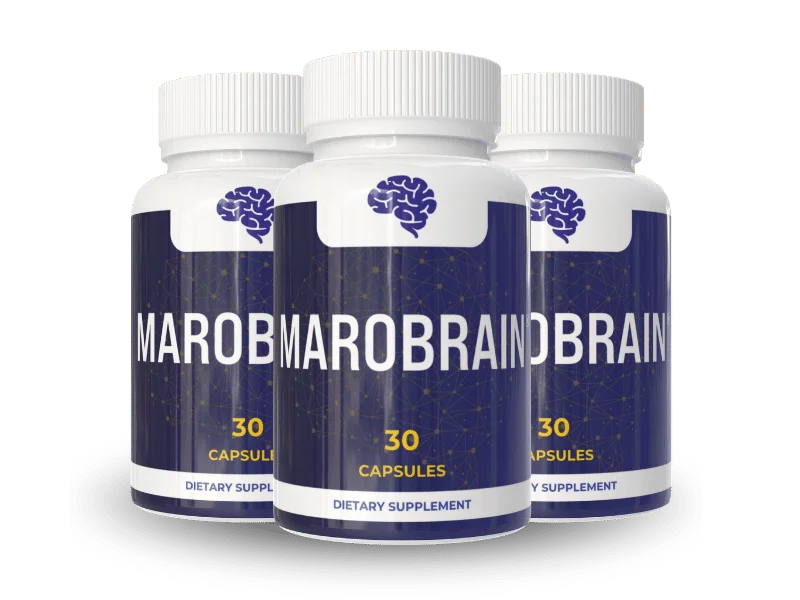
MaroBrain is a capsule-based dietary supplement marketed as a “natural cognitive support” nootropic for memory, focus, mental clarity, and brain health. It is sold through a fragmented network of promotional websites and affiliate funnels, with checkout often handled by third-party platforms. This review examines what the formula discloses, the evidence behind its ingredients, what independent trust assessments show, and the practical points buyers may want to verify before ordering.
A note on naming: “MaroBrain” appears across multiple domains with slightly different formulations and claims, and is sometimes confused with a separate Italian product called MAR-BRAIN, which contains citicoline, vitamin E, phosphatidylserine, and zinc. This review focuses on the MaroBrain nootropic supplement promoted through the English-language websites.
What MaroBrain Claims to Offer
MaroBrain is positioned as a daily nootropic capsule designed to support memory, focus, mental clarity, and long-term brain health. The marketing describes the formula as containing “neuro-protective antioxidants, cognitive support nutrients, and memory-enhancing elements” and promises noticeable effects in days to weeks for many users.
The claims extend well beyond ordinary cognitive support. Promotional materials have claimed that MaroBrain can reduce brain fog, boost mental energy, and even reverse memory loss or Alzheimer’s-like symptoms. Some versions of the marketing have been linked to a “Manuka Honey Trick” narrative, claiming a simple two-ingredient recipe can restore memory and cognitive function.
The product is typically sold in capsule form with a 30-day supply per bottle, though the exact serving size and capsule count are not consistently stated across promotional pages. The label claims GMP-certified manufacturing in a U.S. facility, non-GMO ingredients, and a 180-day money-back guarantee.
One immediate transparency issue: the full ingredient list and individual doses are not consistently published on promotional pages. One retail listing for a product under the MaroBrain name shows Bacopa Monnieri powder, Ginkgo Biloba extract (24% ginkgo flavones, 6% terpene lactones), Siberian Ginseng extract, alpha lipoic acid, and phosphatidylserine. However, it is not clear whether this is the same formula sold on the official-looking websites, and the individual amounts are not disclosed in the available sources.
Ingredient Evidence: Recognizable Botanicals, Dose and Formula Gaps
The ingredients associated with MaroBrain are not inherently fraudulent—they are recognizable nootropic and adaptogenic botanicals with varying levels of research behind them. The key limitations are dose disclosure, formula consistency, and the absence of finished-product clinical evidence.
Bacopa Monnieri is one of the more studied nootropic herbs. A meta-analysis of nine trials found benefits at 300 mg per day of a standardized extract for memory acquisition and retention. However, the doses in MaroBrain are not disclosed, and it is not clear whether the extract is standardized.
Ginkgo Biloba has been studied for cognitive effects, particularly in older adults, but results across trials have been mixed and inconsistent. Standardized extracts (24% flavone glycosides, 6% terpene lactones) are common, but the dose in MaroBrain is unknown.
Siberian Ginseng (Eleutherococcus senticosus) is an adaptogen traditionally used for fatigue and stress resilience. Evidence for cognitive benefits specifically is limited, and the dose is not disclosed.
Alpha Lipoic Acid is an antioxidant with some research on metabolic and neurological support, but the evidence for cognitive enhancement in healthy adults is modest at best.
Phosphatidylserine is a phospholipid that has been studied for memory and cognitive function, with some positive findings at doses of 100–300 mg per day. Again, the dose in MaroBrain is not published.
The critical limitation is that no published clinical trial of the complete MaroBrain formula at its specific doses was identified. Independent investigations have noted that no credible evidence or published clinical studies back the bold claims, and that the ingredients are “undisclosed or vague” with “no lab test results shown”. The marketing’s leap from “these ingredients have been studied” to “this product restores memory” is not supported by the evidence.
Trust Assessments and Website Transparency
Independent website assessment tools have evaluated multiple domains associated with MaroBrain, with results that are mostly very low and inconsistent:
- One promotional domain received a trust score of 1, with the assessment concluding “the website may be a scam” and flagging low traffic, a server hosting other low-rated sites, recent registration, and a phishing flag. A second listing for the same domain showed a score of 0.
- Another domain received a trust score of 1/100, classified as a “Suspicious Shop” with blacklist warnings, a 3-month-old domain, and no established review history. The assessor noted that sites in this class often involve no shipment, wrong item, or low-quality substitute after checkout.
- A third domain received a score of 3/100, also classified as a suspicious shop.
- Another domain received a score of 23/100, flagged as a “Suspicious Website” with a 2-month-old domain and no stable public review history.
- One domain received a trust score of 35, with the assessment concluding it “might be a scam” due to low traffic, a young domain, and server associations with other low-rated sites.
- Another domain received a score of 37/100, classified as an “Unsettled Website” with hidden ownership and a 9-month-old domain.
- One domain received a more favorable assessment, described as “globally positive” with some points for caution.
The pattern is one of multiple look-alike domains, very young registration dates, hidden ownership on several variants, phishing flags, and server associations with other low-rated sites. These tools are automated and not definitive, but the spread—from 0 to 37—is worth knowing before entering payment details.
Separately, an independent investigation concluded that MaroBrain “is not a legitimate cognitive-support supplement… it fits most criteria of a scam supplement”. Another investigation described the marketing as “a classic scam playbook: fake studies, nonexistent endorsements, and misleading ‘scientific’ jargon”.
Marketing Approach
MaroBrain is promoted through short-form social media videos and flashy landing pages featuring countdown timers, “as seen on” badges, and urgency cues. The marketing has been linked to several red flags:
- Fabricated endorsements: Promotional pages have falsely attributed endorsements to Johns Hopkins, Harvard, Yale, the Alzheimer’s Association, the FDA, and public figures such as Dr. Ben Carson.
- Bogus clinical references: The marketing references a “Harvard double-blind study” and an “FDA seal of confirmed efficacy” without any verifiable evidence.
- False regulatory claims: Dietary supplements are not FDA-approved, and claims that MaroBrain is “FDA approved” are legally prohibited and misleading.
- Unverifiable “news” logos: The pages use major broadcast network logos to mimic reputable sources.
- Recurring billing risk: Some consumer-protection articles have warned about potential recurring billing after purchase.
For buyers, the practical takeaway is to read the actual product terms, ingredient panel (where available), and refund conditions on the specific checkout page used, rather than relying on the authority cues or urgency tactics in the promotional presentation.

Pricing and Refund Policy
Pricing for MaroBrain is not consistently published across independent sources. The promotional pages reference a 180-day money-back guarantee, described as “100% money-back guarantee for 180 days”. However, no specific retail price was confirmed in the available independent reviews. One marketplace listing shows a 2-pack of 120 capsules, but the price is not displayed in the search snippet.
The refund policy itself is stated on the promotional pages, but given the fragmented web presence, hidden ownership on several domains, and lack of a verifiable corporate entity, actually obtaining a refund may prove difficult in practice. Buyers should confirm the written refund terms on the specific checkout page used for the order, keep records of the purchase confirmation, and note that the guarantee applies to the product purchase rather than to any associated costs such as shipping.
Customer Feedback: Thin and Difficult to Verify
Public feedback on MaroBrain is thin and difficult to verify independently. The main review-platform profile shows a rating of 3.3 out of 5, described as “Average,” but with only one review in the last 12 months. That single review is positive, stating: “Brain Booster has been a nice addition to my daily routine. I feel more focused when working and find it easier to stay organized throughout the day”. The platform also notes that the company has no recent history of asking for reviews and has not replied to negative reviews.
Independent investigations describe the positive testimonials on promotional pages as fake and not independently verifiable, and note that the numerous five-star reviews and social engagement appear to be fabricated. The overall volume of independent feedback is low—which itself is a consideration, since a widely used product typically generates a larger review footprint across multiple platforms.
Frequently Asked Questions
Is MaroBrain a legitimate product?
MaroBrain is a real supplement that is sold and delivered, with a stated 180-day money-back guarantee. The main considerations are transparency and evidence-related: trust scores across promotional domains range from 0 to 37, the full ingredient list and doses are not consistently published, no clinical trial of the finished product was identified, and independent investigations have described the marketing as scam-like. Buyers who want full label disclosure and a single verifiable seller may prefer other options.
What are the ingredients?
One retail listing shows Bacopa Monnieri, Ginkgo Biloba extract, Siberian Ginseng extract, alpha lipoic acid, and phosphatidylserine. However, the individual doses are not disclosed, and it is not clear whether this is the same formula sold on all promotional sites. The Supplement Facts panel on the bottle should be checked for the complete breakdown.
Do the ingredients work for memory and focus?
Some ingredients have ingredient-level research: Bacopa at 300 mg standardized, phosphatidylserine at 100–300 mg, and Ginkgo in some older-adult studies. However, no clinical trial of the complete MaroBrain formula was identified, and independent investigations note no credible evidence or published clinical studies backing the product’s bold claims. The realistic expectation is modest effects at best, alongside sleep, activity, and medical factors.
Is it safe?
The ingredients are generally recognized as safe at typical amounts, but the full formula and doses are not disclosed, so safety risks are unpredictable. Some botanicals may interact with medications. Anyone who is pregnant, nursing, managing a health condition, or on prescription medication should consult a doctor before use. The product has not been third-party tested according to available sources, so the actual contents of the capsules are unverified.
How much does it cost?
A specific retail price was not consistently confirmed in the available independent sources. The promotional pages focus on the 180-day guarantee rather than a transparent price breakdown. Buyers should verify the total cost—including shipping—on the checkout page.
What is the refund policy?
A 180-day money-back guarantee is advertised on the promotional pages. Confirm the written terms on your specific order page, keep order records, and note that the guarantee covers the product purchase, not shipping or other costs.
Who makes MaroBrain?
The label claims GMP-certified manufacturing in a U.S. facility. However, no single verifiable corporate entity was clearly identified in the available sources, and several promotional domains have hidden ownership. Buyers should check the label on the bottle received for distributor information.
Is it available in stores?
MaroBrain is sold primarily through promotional websites and affiliate funnels, not mainstream retail. One marketplace listing exists for a 2-pack of capsules, but the source and formula may differ from the promotional sites. Buyers should confirm they are ordering from the intended source.
Points to Consider
- Trust scores vary widely and are mostly very low: domains score from 0 to 37, with multiple blacklist and phishing flags.
- Ingredient disclosure is inconsistent: the full list and doses are not consistently published, and formula consistency across sites is unclear.
- Finished-product evidence: individual ingredients have modest research; no clinical trial of the complete MaroBrain formula was identified.
- Marketing red flags: fabricated endorsements, bogus “Harvard” studies, false “FDA approved” claims, and unverifiable news logos have been documented.
- Review footprint is thin: the main review platform shows only one review in 12 months, and the company has not replied to negative reviews.
- Refund terms: advertised as 180 days, but confirm the written terms on your specific order page.
Who MaroBrain May Suit
MaroBrain may appeal to buyers who are comfortable with a nootropic botanical formula (Bacopa, Ginkgo, Siberian Ginseng, alpha lipoic acid, phosphatidylserine), who prefer a simple daily capsule, and who are willing to verify the seller, label, and refund terms before ordering. The manufacturer’s stated GMP manufacturing and the 180-day guarantee are standard positive signals if accurate.
It is less suited to buyers who want a fully disclosed label with doses that match clinical studies, a clinical trial on the finished product, a single verifiable seller with independent reviews across third-party platforms, or who are uncomfortable with marketing that uses fabricated endorsements and false regulatory claims. For those priorities, products from established brands sold through mainstream retailers—with published certificates of analysis and full label disclosure—are a more transparent starting point.
Anyone experiencing genuine memory concerns—especially changes that interfere with daily life—should also consider a medical evaluation first; dietary supplements cannot legally diagnose, treat, cure, or prevent any disease, and underlying causes matter.
Final Assessment
MaroBrain is a commercially available nootropic supplement sold through a fragmented, low-trust web presence. The product exists, the named botanicals have some research context, and a 180-day guarantee is advertised. The main limitations are transparency and evidence at the product level: trust scores across promotional domains range from 0 to 37, the full formula and doses are not consistently published, no finished-product clinical trial was identified, independent investigations have described the marketing as scam-like, and public reviews are scarce and difficult to verify.
For buyers, a measured approach makes sense: confirm the seller, check the Supplement Facts panel on the bottle, verify the refund terms at checkout, and set realistic expectations about what a nootropic capsule can contribute. Cognitive health is influenced by sleep, stress, activity, diet, and medical factors—supplements play a supporting role at most.
Read also
FemiCore — Trending Bladder Control & Urinary Microbiome Supplement (October 2026 Update)
The Synaptigen — Trending Cognitive Support Supplement (October 2026 Update)