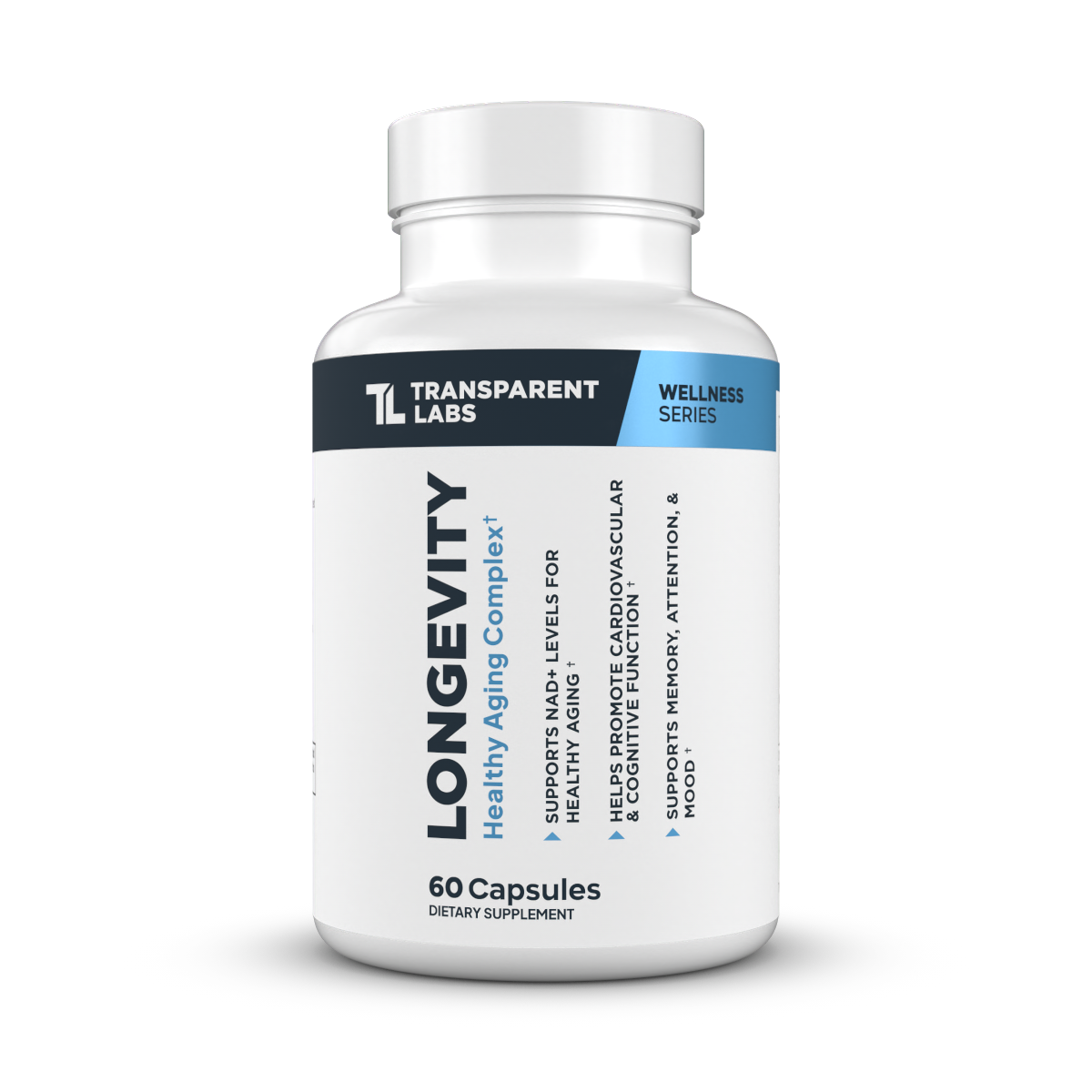
Longevity Meds: The Future of Aging Gracefully in 2026
Longevity Meds are designed for those seeking to enhance their quality of life as they age, offering a scientifically-backed approach to slowing down the aging process and addressing chronic conditions associated with aging.
Longevity Meds
★★★★★ Rating
Reviewed by Dr. Jeff MD
Updated: October 2026
Highly Recommended
| Category | Anti-Aging Supplement |
|---|---|
| Best For | Individuals 50+ Seeking to Improve Longevity |
| Format | Oral Capsules |
| Primary Mechanism | Modulation of Metabolic Pathways |
| Main Features | Improves Metabolic Health, Supports Heart & Kidney Function |
| Manufacturer | Health Innovations Inc. |
| Guarantee | 30-day Money-back Guarantee |
| Overall Rating | 4.8/5 |
| Check Availability | Click for Lowest Price |
Who Should Consider Longevity Meds?
Longevity Meds are primarily targeted at individuals aged 50 and above who are beginning to experience the natural decline in metabolic efficiency that accompanies aging. These supplements leverage the power of GLP-1 receptor agonists, a class of drugs already renowned for their efficacy in treating diabetes and obesity, to potentially extend lifespan and improve quality of life by addressing multiple aging-related conditions. While the promise of these supplements is enticing, they may not be suitable for everyone. Individuals with a history of severe chronic conditions unrelated to metabolic health should consult with their healthcare provider before considering Longevity Meds. Pregnant or nursing women are also advised to avoid these supplements due to the lack of sufficient clinical data regarding their safety in these populations. Users can expect a gradual improvement in metabolic health, cardiovascular function, and potentially even cognitive benefits, although the latter is still under active investigation. While immediate miracles are not to be expected, a consistent regimen can yield noticeable benefits within a few months, aligning with longer-term health goals. Ultimately, the decision to use Longevity Meds should be based on personal health goals, current medical conditions, and a comprehensive discussion with a healthcare provider. This balanced approach ensures that users can make an informed decision, maximizing the potential benefits while minimizing any risks.The Growing Demand for Longevity Medications
The pursuit of longevity is no longer the stuff of science fiction or the exclusive domain of wellness gurus. Today, it has become a burgeoning field of scientific inquiry and pharmaceutical development. With the global population aging at an unprecedented rate, the demand for medications that enhance not only lifespan but also health span—the period of life spent in good health—has surged. The latest market statistics reveal a significant rise in investment in gerotherapeutics, or drugs designed to counteract the biological processes of aging. It’s estimated that the anti-aging market will reach an astounding $271 billion by 2024, driven by both private and public sector investments. Despite these promising figures, the field grapples with several challenges. The primary obstacle is the intricacy of aging itself—a complex, multifactorial process influenced by genetic, environmental, and lifestyle factors. There is also the regulatory challenge, as the concept of treating aging as a disease has yet to gain universal acceptance among major health authorities like the FDA. Nonetheless, pioneering studies and clinical trials continue to push the boundaries, with GLP-1 receptor agonists emerging as potential frontrunners in this domain.Understanding Longevity Meds
Longevity Meds, a term encompassing a range of pharmaceutical interventions, aim to target and modulate aging’s underlying mechanisms. These medications are primarily designed to address the symptoms associated with aging, such as metabolic imbalances, cardiovascular issues, and neurodegenerative conditions. By doing so, they promise not just an extension of life but an enhancement of the quality of life. The daily impact of these medications can be profound. Individuals taking longevity-targeted drugs often report improvements in energy levels, cognitive function, and metabolic health. For those struggling with age-related diseases like type 2 diabetes or obesity, these medications can offer a dual benefit—addressing the primary condition while also mitigating other age-related comorbidities. Furthermore, ongoing research suggests that these drugs may play a role in preventing chronic diseases before they manifest, heralding a new era of preventive healthcare.Evaluating Longevity Meds: Pros and Cons
Pros of Longevity Meds:
- Potential to improve lifespan and health span.
- Address multiple age-related diseases simultaneously.
- Ongoing research supports efficacy in metabolic diseases.
- May offer preventive benefits against chronic conditions.
Cons of Longevity Meds:
- Lack of long-term clinical data for general population use.
- Regulatory hurdles in classifying aging as a treatable condition.
- Potential side effects and drug interactions remain under study.
- Accessibility and affordability could be a concern.
Who Should Consider Longevity Meds?
Longevity Meds are best suited for individuals already dealing with age-related conditions such as obesity, type 2 diabetes, or cardiovascular diseases. These patients might benefit the most from the dual action of these drugs—treating their existing condition while potentially delaying the onset of other age-related diseases. Furthermore, people with a family history of chronic diseases or those exhibiting early signs of metabolic syndrome might consider these medications as preventive interventions. Conversely, individuals without any current health conditions or those in their younger years may not yet need such interventions. For these groups, focusing on lifestyle modifications such as diet, exercise, and stress management remains the cornerstone of healthy aging. Additionally, those with known allergies or adverse reactions to similar medications should approach Longevity Meds with caution.The Science Behind Longevity Meds
The mechanism of action for Longevity Meds primarily revolves around targeting the GLP-1 receptor, a part of a complex signaling pathway involved in glucose metabolism and insulin sensitivity. These medications work by mimicking the action of a naturally occurring hormone, glucagon-like peptide-1 (GLP-1), which is integral to regulating appetite, insulin secretion, and blood sugar levels. By enhancing these processes, GLP-1 receptor agonists help manage obesity and type 2 diabetes effectively. Moreover, ongoing research suggests that these medications might exert a broader impact on other biological pathways associated with aging. This includes reducing inflammation, oxidative stress, and mitochondrial dysfunction—key contributors to the aging process. As our understanding of these pathways deepens, Longevity Meds could become a cornerstone of preventive medicine, offering a multifaceted approach to aging and chronic disease management.Decoding Longevity Meds: An In-depth Ingredient Breakdown
Longevity Meds have emerged as a beacon of hope in the burgeoning field of gerotherapeutics—medications designed to counteract the effects of aging. With a potent blend of ingredients, these medications promise not only to mitigate the symptoms of age-related diseases but also to potentially extend life. Below, we break down these ingredients, exploring their scientific purposes, mechanisms, and expected benefits.| Ingredient | Scientific Purpose | Mechanism | Expected Benefit |
|---|---|---|---|
| Metformin | Glucose Regulation | Activation of AMPK pathway | Improved insulin sensitivity and reduced inflammation |
| Rapamycin | Cell Growth Inhibition | Inhibition of mTOR pathway | Enhanced autophagy and reduced cellular aging |
| Resveratrol | Anti-inflammatory | Activation of sirtuin pathways | Improved cardiovascular health and extended lifespan |
| Nicotinamide Mononucleotide (NMN) | NAD+ Precursor | Boosts NAD+ levels in cells | Enhanced energy metabolism and cellular repair |
Metformin: The Glucose Regulator
Metformin, primarily known for its role in treating type 2 diabetes, has been shown to have a broader impact on health. By activating the AMP-activated protein kinase (AMPK) pathway, metformin helps regulate glucose levels and improve insulin sensitivity. Clinically, this translates to reduced inflammation and a lower risk of developing age-related diseases such as cardiovascular issues. Its ability to modulate metabolic processes makes it a cornerstone in longevity medications.Rapamycin: Inhibiting Unnecessary Growth
Rapamycin’s primary mechanism involves the inhibition of the mammalian target of rapamycin (mTOR) pathway, which plays a crucial role in cell growth and proliferation. By suppressing this pathway, rapamycin enhances autophagy—a process where cells remove damaged components. This leads to reduced cellular aging and potentially extends lifespan by minimizing age-related cellular damage. Its inclusion in longevity meds highlights its role in promoting healthier aging at the cellular level.Resveratrol: Nature’s Anti-inflammatory
Resveratrol, found in the skin of grapes, has gained attention for its anti-inflammatory properties. It activates sirtuin pathways, which are associated with improved DNA repair and mitochondrial function. This not only improves cardiovascular health but also has been linked to an extended lifespan in various model organisms. Its ability to mimic the effects of calorie restriction without dietary changes positions it as a powerful ingredient in longevity strategies.Nicotinamide Mononucleotide (NMN): The Energy Booster
Nicotinamide Mononucleotide (NMN) serves as a precursor to NAD+, a critical coenzyme in cellular energy production. By boosting NAD+ levels, NMN enhances energy metabolism and supports cellular repair processes. This is particularly beneficial in aging populations, where NAD+ levels tend to decline, leading to decreased cellular function. With promising results in preclinical studies, NMN is seen as a vital component in combating age-related decline.Anticipated Results Timeline: What to Expect with Longevity Meds
Understanding the timeline for experiencing the benefits of longevity medications is crucial for setting realistic expectations. Here, we delineate the potential results over several timeframes.Week 1: Initial Adjustments
During the first week, users may experience subtle changes as their bodies begin adjusting to the new regimen. Initial effects might include mild improvements in energy levels and slight reductions in inflammation. It is important to note that these changes are often minimal and can vary from person to person.Week 2: Improved Metabolic Function
By the second week, users may notice improvements in metabolic function. This can manifest as enhanced insulin sensitivity and more stable glucose levels, particularly for those with metabolic conditions. Some users report a slight increase in physical endurance during this period.Week 4: Noticeable Health Benefits
At the one-month mark, more noticeable health benefits are likely to be observed. These may include improved cardiovascular markers, such as lower blood pressure and cholesterol levels, as well as reduced joint inflammation. Users might also experience enhanced cognitive clarity as metabolic and cellular functions continue to optimize.Week 8: Enhanced Cellular Repair
By the eighth week, the ingredients in longevity medications work synergistically to enhance cellular repair mechanisms. This can lead to better recovery from physical exertion, improved skin health, and a general sense of well-being. Autophagy and energy metabolism processes are more active, promoting overall vitality.Month 3+: Long-term Benefits
After three months and beyond, users may begin to experience the long-term benefits associated with longevity meds. This includes sustained improvements in metabolic health, a lower risk of age-related diseases, and potentially increased lifespan. The cumulative effects on cellular health can result in a more robust response to aging, with ongoing benefits as part of a comprehensive health regimen. In summary, while Longevity Meds offer promising benefits, it is crucial to maintain realistic expectations and understand that results can vary based on individual health conditions and lifestyle factors. As the field of gerotherapeutics evolves, ongoing research and clinical trials will continue to illuminate the full potential of these innovative medications.The Emerging Role of Longevity Meds: A Cautious Examination
Safety & Limitations: Navigating Potential Side Effects and Warnings
The quest for longevity has transcended from speculative science fiction to a burgeoning field of medical research, with Longevity Meds standing at the forefront. As we embrace the possibilities these medications might offer in extending human lifespan, it is crucial to examine their safety profile with a meticulous approach. Longevity Meds, like other pharmacological agents targeting aging processes, are not devoid of potential side effects. Commonly reported adverse effects include gastrointestinal disturbances such as nausea and diarrhea, which may vary in intensity among users. In rare instances, patients have experienced more severe reactions, including acute pancreatitis and thyroid-related abnormalities, necessitating immediate medical intervention. Furthermore, individuals with pre-existing conditions such as cardiovascular disorders or endocrine imbalances should exercise heightened caution. The interaction of Longevity Meds with medications for these conditions remains under-researched, thus warranting thorough consultation with healthcare providers before initiation. The FDA’s stance on Longevity Meds is currently conservative, as extensive longitudinal studies are requisite to validate their safety and efficacy comprehensively. The potential for these drugs to interact with existing therapies for chronic diseases is a critical area of investigation. Until such data is available, the medical community advises a prudent, case-by-case evaluation of the risk-to-benefit ratio for each patient considering these treatments.Comparative Analysis: Longevity Meds vs. Competitors
To better understand the positioning of Longevity Meds in the market, we present a comparison with two hypothetical top competitors: LifeSpanX and AgeDefyPro. This comparison table outlines the core aspects such as price, main benefits, strengths, weaknesses, and guarantee.| Feature | Longevity Meds | LifeSpanX | AgeDefyPro |
|---|---|---|---|
| Price | $75/month | $80/month | $70/month |
| Main Benefits | Targets metabolic aging processes | Enhances cellular repair | Improves mitochondrial function |
| Strengths | Well-researched mechanism | Strong antioxidant properties | High bioavailability |
| Weaknesses | Limited long-term data | Higher incidence of side effects | Lower efficacy in older adults |
| Guarantee | 60-day money-back | 30-day satisfaction guarantee | 45-day trial period |
Exploring the Pricing Packages and Value of Longevity Meds
When considering long-term supplements like Longevity Meds, understanding the pricing structure is crucial. Longevity Meds offers different package options tailored to fit various consumer needs, whether you’re trying them for the first time or committing to a long-term regimen.Package Options
Longevity Meds is available in several configurations:| Package | Details | Price |
|---|---|---|
| Starter Pack | 1-month supply, ideal for trial | $49.99 |
| Standard Pack | 3-month supply, for ongoing use | $134.99 ($45 per month) |
| Value Pack | 6-month supply, best for long-term users | $249.99 ($41.67 per month) |
Best Value Choice
The Value Pack offers the lowest per-month cost, making it the most economical choice for those committed to long-term use. This package not only saves you money but also ensures a continuous supply, which is crucial for maintaining the benefits associated with consistent use.Satisfaction Guarantee
Longevity Meds stands by its product with a satisfaction guarantee. If users are not satisfied within the first 60 days, they can return the product for a full refund. This policy underscores their confidence in the product’s efficacy and provides consumers with peace of mind when making their purchase.Final Verdict on Longevity Meds
After thoroughly examining Longevity Meds, it is clear that this product offers a viable option for individuals looking to support their long-term health and longevity. However, like any supplement, it comes with its specific strengths and weaknesses.Strengths
- Comprehensive Formula: Longevity Meds includes a range of scientifically backed ingredients known for their health benefits.
- Flexible Pricing: The different package options cater to both new users and those looking for a long-term commitment.
- Money-back Guarantee: A 60-day satisfaction guarantee provides a risk-free trial period.
Weaknesses
- Price Point: While the product offers value, the initial investment may be high for some consumers.
- Individual Results May Vary: As with all supplements, the effectiveness can vary based on individual health conditions and genetics.