NeuroSharp: The “Golden Elixir” Brain Supplement – A 2026 Reality Check
What Is NeuroSharp?
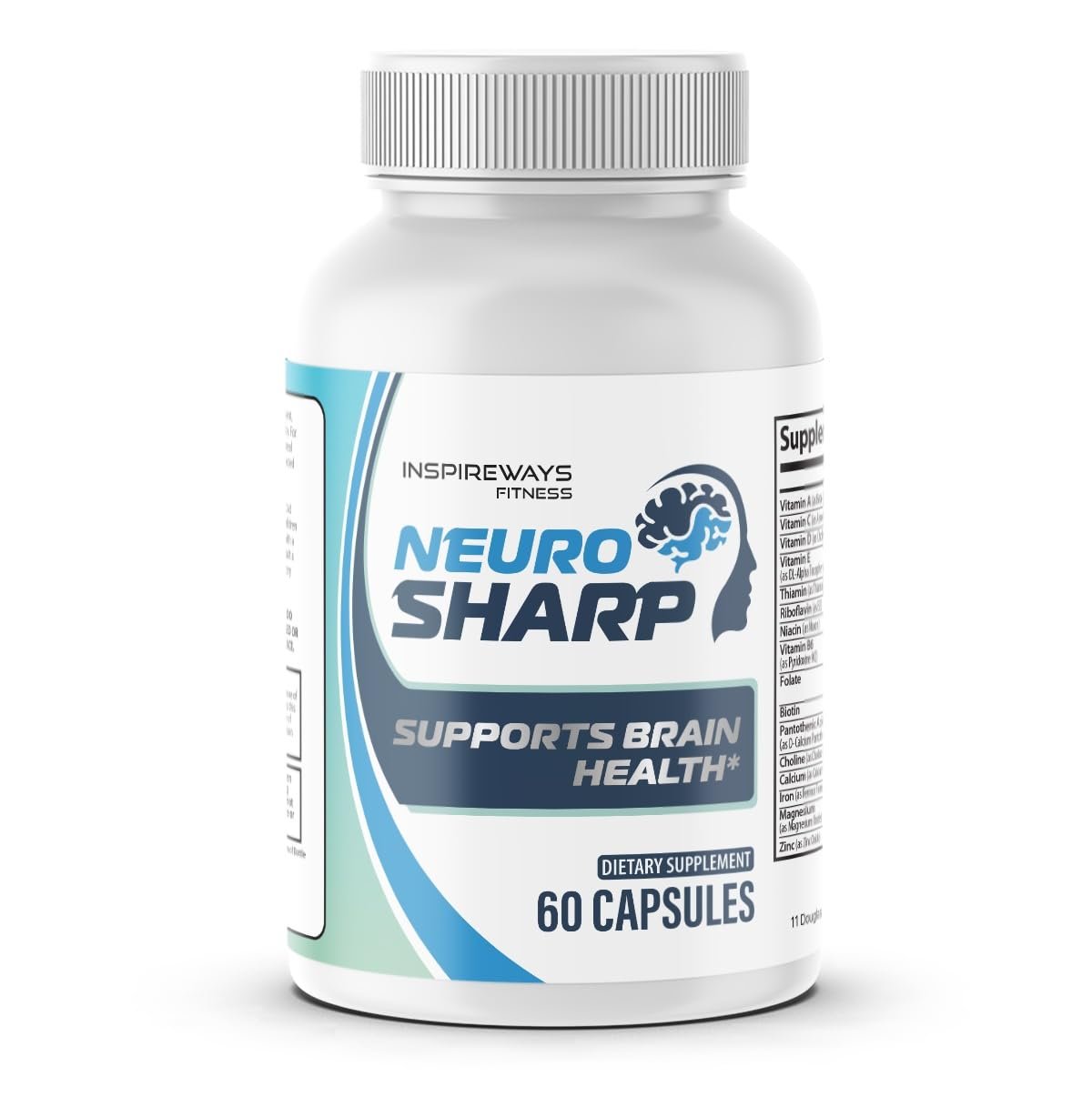
NeuroSharp is marketed as a once-daily nootropic capsule for memory, focus, and mental clarity, positioned for adults experiencing “digital fatigue” or age-related cognitive changes. The brand describes its formula as a blend of traditional botanicals—Bacopa Monnieri, Ginkgo Biloba, and Huperzine-A are the most frequently named—manufactured in the USA in an FDA-registered, GMP-certified facility.
However, a critical distinction must be made upfront: NeuroSharp is not a single, coherent product from a transparent manufacturer. Investigations have identified multiple conflicting ingredient lists, fabricated medical endorsements, and a network of domains with trust scores as low as 1 out of 100. A detailed fact-check by an independent security investigation concluded that NeuroSharp “is actually a carefully crafted online scam,” built around a fake “golden elixir” narrative and a fabricated endorsement from a “Dr. Rezai”.
Separately, “NeuroSharp” also refers to an Indian IT training institute and a neurofeedback headset company. These are entirely unrelated entities and should not be confused with the supplement.
What’s Known About the Ingredients (and What Isn’t)
The ingredient information for NeuroSharp is fragmented and inconsistent, which is a defining red flag.
One source, a promotional PDF hosted on an unrelated domain, describes a “Big Five” formula: Bacopa Monnieri, Ginkgo Biloba, Phosphatidylserine, Huperzine-A, and St. John’s Wort with L-Glutamine. This source claims to be authored by a board-certified neurologist, but the document functions as affiliate marketing and contains a “60 Day Money Back Guarantee” banner repeated throughout.
A press release, which explicitly discloses it contains affiliate links, names Bacopa Monnieri, Ginkgo Biloba, and Huperzine-A as the “core botanicals,” while acknowledging that “no published clinical trial has evaluated Neuro Sharp as a finished proprietary formula”.
A separate product listing for an “Earth’s EC Sports Neuro Sharp” lists entirely different ingredients: Cat’s Claw (167 mg), Lion’s Mane Extract (140 mg), L-Theanine (34 mg), Black Pepper Extract (3.4 mg), and Vitamin B-6 (2 mg). Another listing adds Bacopa at 300 mg, OptiNOs, and Lion’s Mane at 120 mg.
The critical limitation: There is no single, verifiable Supplement Facts panel that can be reliably attributed to the product being sold through the primary NeuroSharp marketing funnels. Different sources describe different formulas, different dosages, and different ingredient counts. Consumers cannot know what they are purchasing without physically inspecting the bottle—and even then, the independent investigation found the marketing is built on fabricated credibility rather than a coherent product identity.

How NeuroSharp Is Positioned to Work
The marketing narrative shifts depending on which page a consumer lands on.
The “legitimate” nootropic narrative describes acetylcholine optimization (via Huperzine-A and Alpha-GPC), cerebral vasodilation (via Ginkgo Biloba), and synaptic plasticity support (via Bacopa Monnieri). This is a standard, plausible-sounding framework that borrows credibility from real ingredient research.
The “golden elixir” narrative is where the marketing diverges into fraud. The investigation documented social media ads targeting seniors with promises of a “natural honeycomb method” supposedly endorsed by top scientists, featuring images of honey jars and glowing brains. The landing page presented a video with urgent warnings that the “presentation will be available only until today,” telling a fabricated story about a “brave neuroscientist” who discovered a simple remedy.
The evidence gap is total. The press release itself concedes that “no published clinical trial has evaluated Neuro Sharp as a finished proprietary formula,” and that the research cited reflects “ingredient-level findings at specific dosages under controlled study conditions—not product-level outcomes for this supplement”. The “Dr. Rezai” endorsement is fabricated. The logos of research institutions were used without authorization.
What Users Are Reporting
Independent, verifiable user feedback paints a consistent picture of disappointment and refund difficulty.
Trustpilot (Italian domain) shows a rating of 2.5 out of 5, described as “Scarso” (Poor). One reviewer stated: “I used it for almost 3 months. I never missed a day of using the product. I seen NO effectiveness. The product does NOT work.” This reviewer added that when they tried to obtain the money-back guarantee, they were given a “run-around,” made numerous calls and emails, and were “hung up on a couple of times” before finally receiving a refund.
Another Trustpilot reviewer stated: “after using the product for 5 months I have seen no improvement in brain function. Don’t buy”.
A third reviewer reported ordering three bottles for $177 from a third-party seller and never receiving the product, with the package allegedly delivered to an address in Manhattan while the buyer lived in Queens.
The pattern is consistent: users report no cognitive benefit even after months of daily use, and refund requests are met with obstruction. The investigation concluded that “buyers rarely get their money back” and that “refund requests and support emails go unanswered”.
Pricing and Packages (and the Guarantee Contradiction)
Pricing is inconsistently reported across sources, which is characteristic of affiliate-driven funnels.
One review states the product is priced at approximately $49 per bottle in a six-bottle bundle, with single-bottle pricing higher, and claims a 180-day money-back guarantee. Another source references a 60-day guarantee. The independent investigation notes that the marketing touts a “180-day guarantee” but that this promise is “unsubstantiated and misleading,” and that the checkout is managed through a payment processor “frequently linked to questionable ‘miracle’ supplements”.
The guarantee is functionally meaningless if the refund process is obstructed. The Trustpilot reviewer who eventually received a refund described having to “persuade” the company after repeated ignored contacts—a process that is not consistent with a “hassle-free” guarantee.
Website Trust Concerns: Blacklists and 1/100 Scores
This is the most important section of this review.
One domain received a Gridinsoft trust score of 1 out of 100 and was classified as a “Suspicious Website” with blacklist warnings. Gridinsoft noted two blacklist hits, hidden ownership, an 8-month-old domain, “Fake Social Media Links,” and no stable public user review history. The recommendation: “Most people are better off avoiding it entirely”.
A second domain received a ScamAdviser trust score of 41 out of 100, with the summary: “may be a scam”.
A third domain received a Scam Detector score of 14.9 out of 100 based on 53 aggregated factors.
A fourth domain received a ScamAdviser score of 55, still described as “rather low”.
One more favorable finding: one domain received a ScamAdviser score of 77, described as “legit as we found few indicators which might point to a scam”. However, this is the exception, not the rule, and does not mitigate the broader pattern of low-trust domains and the documented fraud allegations.
The independent investigation concluded that NeuroSharp is “part of a deceptive scam designed to exploit consumers looking for brain health solutions,” citing fabricated scientific backing, fake endorsements, misleading promotions, and aggressive sales tactics including fake countdown timers and artificial discounts (e.g., from $79 to $47).
Critical advice: The combination of a 1/100 Gridinsoft score with blacklist hits, a 14.9 Scam Detector score, fabricated doctor endorsements, and documented refund obstruction creates a high-risk profile. This is not a case of a legitimate product with exaggerated marketing—the core promotional materials themselves have been identified as fraudulent.
Key Limitations and Considerations
Fabricated medical endorsements. The “Dr. Rezai” endorsement is fake, and logos of research institutions were used without authorization.
No coherent product identity. Different sources describe entirely different formulas and dosages, making it impossible to know what any given bottle contains.
No product-specific clinical evidence. The manufacturer’s own affiliate release concedes that no trial has evaluated the finished formula.
Documented refund obstruction. Users report ignored emails, hung-up calls, and “run-arounds” when requesting refunds.
Website trust scores are extremely low. Multiple domains have been blacklisted or flagged, with scores as low as 1/100 and 14.9/100.
High-pressure sales tactics. Fake countdown timers, “golden elixir” narratives, and artificial discounts are used to push impulsive purchases.
Not a substitute for medical care. NeuroSharp is marketed with claims that imply cognitive restoration, but it is a supplement, not a treatment for cognitive impairment, memory disorders, or any neurological condition.
Frequently Asked Questions
Is NeuroSharp safe?
The ingredients, where identifiable, are generally regarded as safe for healthy adults. However, the lack of a coherent formula and the documented fraud surrounding the marketing mean safety cannot be reliably assessed. The more immediate risk is financial and involves potential unauthorized charges or non-delivery.
Who should avoid NeuroSharp?
Given the documented scam allegations and blacklist status of multiple domains, everyone should avoid purchasing NeuroSharp until the manufacturer provides a verifiable product identity, transparent dosing, and a functional refund process.
Does NeuroSharp actually work for memory?
No credible evidence supports its claims. The manufacturer’s own promotional release concedes that no clinical trial has tested the finished formula. Independent user reviews consistently report no benefit even after months of use.
Is NeuroSharp a scam?
Multiple independent investigations and security tools classify it as a probable scam or fraudulent operation. The detailed fact-check documents fabricated endorsements, fake scientific credibility, and refund obstruction.
Where should I buy NeuroSharp?
It should not be purchased from any source. If you have already purchased it, contact your payment provider immediately to discuss dispute options, and consult a healthcare professional if you have concerns about ingredients you may have consumed.
Is there a money-back guarantee?
A 180-day guarantee is advertised, but it is functionally unreliable. Users report that refund requests are ignored or obstructed, and one reviewer had to repeatedly contact the company before receiving a refund.
The Bottom Line
NeuroSharp is not a legitimate cognitive supplement. It is a product marketed through a fabricated “golden elixir” narrative, a fake doctor endorsement, and unauthorized use of research institution logos. Independent security tools have assigned trust scores as low as 1 out of 100 to domains selling it, with blacklist warnings. A detailed fraud investigation concluded that the operation is “a carefully crafted online scam”.
The product has no coherent, verifiable formula. No clinical trial has tested the finished supplement. Users who have tried it consistently report no benefit, and those who sought refunds describe being ignored, hung up on, or given a “run-around”.
For anyone concerned about memory, focus, or cognitive health, the responsible path is to consult a qualified healthcare professional. No supplement sold through fabricated endorsements and blacklisted domains can replace proper medical evaluation. Purchasing NeuroSharp is not recommended. If you have already purchased it, contact your payment provider to discuss dispute options.
Important Disclaimer: This information is for informational purposes only and is not intended to diagnose, treat, cure, or prevent any disease. Statements regarding dietary supplements have not been evaluated by the U.S. Food and Drug Administration. Consult a qualified healthcare professional before using any dietary supplement or making significant changes to your diet, exercise, or wellness routine. Individual experiences may vary.