Yu Sleep Review 2026: Ingredients, Benefits, Side Effects & Does It Work?
Yu Sleep Review 2026 :If you’re one of the millions of adults who lie awake at night with a racing mind, you know the frustration well. The clock ticks past midnight. Your brain refuses to quiet down. And you dread the alarm that will come far too soon. The cycle of poor sleep, daytime fatigue, and reliance on sleep aids that leave you groggy can feel impossible to break.
Products like Yu Sleep enter this space with an appealing promise: deep, restorative rest without the hangover effect of traditional sleep aids. Marketed as a melatonin-free, plant-based liquid formula, it aims to support natural sleep cycles rather than force sedation.
But here’s the central question that matters: Does the science behind this formula justify the claims, or is the marketing outpacing the evidence?
What Is Yu Sleep?
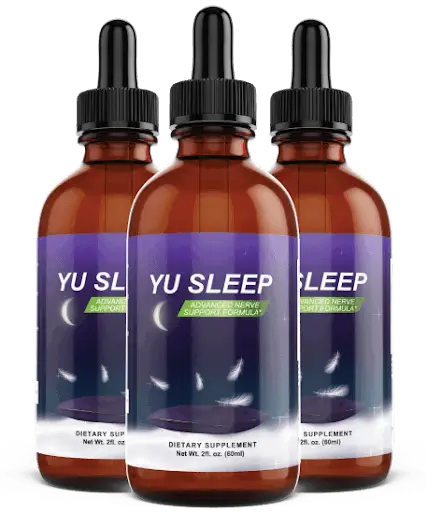
Yu Sleep is a liquid dietary supplement designed to support sleep quality and relaxation. It positions itself as an alternative to conventional sleep aids, particularly those containing melatonin, sedatives, or habit-forming compounds .
Intended Audience: Adults experiencing difficulty falling asleep, staying asleep, or waking up feeling unrested. The product appeals particularly to those who are sensitive to melatonin, want to avoid hormonal supplements, or prefer plant-based wellness options .
Format: Liquid drops with a 2 mL (two full droppers) serving size. Each bottle provides approximately 30 servings .
Ingredient Formula: A 10-ingredient formula featuring a 637 mg proprietary blend containing red tart cherry juice concentrate, magnesium glycinate, apigenin, lemon balm extract, 5-HTP (from Griffonia seed extract), L-theanine, and GABA. Additional ingredients include 0.9 mg of melatonin, vitamin B2 (riboflavin 5-phosphate), and vitamin B6 (pyridoxal 5-phosphate) .
Manufacturer Claims: The product is marketed as a “natural, non-sedative rest support” featuring a “nano-enhanced delivery system” for faster absorption. The marketing suggests it can help users fall asleep faster, stay asleep longer, and wake without grogginess .
Manufacturing Claims: The product is manufactured in the United States in a facility that is FDA-registered and GMP-certified. It is marketed as a clean-label, plant-based alternative to conventional sleep aids .
Purchasing Model: Available through the official website (getyusleep.com) and distributed via the ClickBank affiliate network .
Important Distinction
Yu Sleep’s formula includes 0.9 mg of melatonin according to the Supplement Facts panel, despite being marketed as “melatonin-free” in some promotional materials . This is a significant distinction: the product contains a low dose of melatonin, but not zero melatonin. The discrepancy between the label and the marketing should inform any purchasing decision.
How Does Yu Sleep Work?
The proposed mechanism behind Yu Sleep centers on supporting the body’s natural sleep-regulating systems through several pathways.
The Biological Theory
- Neurotransmitter Support — GABA (a calming neurotransmitter) and 5-HTP (a precursor to serotonin) work together to promote relaxation and mood regulation. Serotonin is then converted to melatonin in the body .
- Mineral and Nutrient Support — Magnesium glycinate is involved in hundreds of enzyme reactions, including those that support muscle and nerve function, while B vitamins act as co-factors for neurotransmitter production .
- Natural Compounds — Tart cherry extract provides naturally occurring compounds associated with supporting the body’s melatonin rhythms .
- Nano-Enhanced Delivery — The product claims to use nano-emulsification technology, which breaks active compounds into ultra-small particles for faster absorption and quicker onset .

Important Limitation
Plausible mechanism ≠ proven clinical outcome
The ingredient-level research is reasonably well-established for several components, but there is no published clinical trial on the finished Yu Sleep product demonstrating its specific sleep benefits. The “nano-delivery” claims for absorption enhancement are not supported by published research on this specific formula .
Yu Sleep Ingredient Breakdown
Yu Sleep’s Supplement Facts panel lists the following ingredients :
| Ingredient | Amount | Daily Value |
|---|---|---|
| Vitamin B2 (riboflavin 5-phosphate) | 0.5 mg | 38% |
| Vitamin B6 (pyridoxal 5-phosphate) | 0.5 mg | 29% |
| Melatonin | 0.9 mg | Not established |
| Proprietary Blend (7 ingredients) | 637 mg | Not established |
Proprietary Blend Contains: Red tart cherry juice concentrate, magnesium glycinate, apigenin, lemon balm extract, 5-HTP from Griffonia seed extract, L-theanine, and GABA .
1. Melatonin (0.9 mg)
What it is: A hormone naturally produced in the body that regulates the sleep-wake cycle.
Why it is included: Melatonin supplementation can reduce sleep latency (time to fall asleep), particularly in people with low natural melatonin levels. The 0.9 mg dose is considered low and physiological.
What the research says: Low-dose melatonin has reasonably good evidence for supporting sleep onset, particularly in older adults and people with circadian rhythm disruptions.
Important limitation: The product’s marketing often claims to be “melatonin-free,” but the Supplement Facts panel clearly lists 0.9 mg per serving . This discrepancy between marketing and labeling is a transparency concern.
Dosage issue: 0.9 mg is a low dose, which is generally considered appropriate for sleep support. Higher doses are sometimes associated with next-day grogginess.
Safety: Generally recognized as safe. Higher doses can cause vivid dreams, morning grogginess, or hormonal effects in sensitive individuals.
2. GABA (Gamma-Aminobutyric Acid)
What it is: An amino acid that naturally occurs in the body and functions as an inhibitory neurotransmitter that calms nervous system activity .
Why it is included: GABA promotes relaxation by reducing neuronal excitability, helping quiet the racing mind before sleep.
What the research says: GABA supplementation has been studied for its calming effects. However, oral GABA may have limited ability to cross the blood-brain barrier, which raises questions about its effectiveness in supplement form.
Important limitation: The “nano-enhanced” delivery claim suggests improved absorption, but this is not validated by research on the finished product.
Safety: Generally considered safe. Side effects are uncommon.
3. L-Theanine
What it is: An amino acid found naturally in tea leaves .
Why it is included: L-theanine promotes relaxation without sedation, increasing alpha brain wave activity associated with a calm but alert state.
What the research says: L-theanine has reasonably good evidence for promoting relaxation. Its effects are usually noticeable within 30-60 minutes of consumption.
Important limitation: Most research is ingredient-level, not product-specific.
Safety: Generally recognized as safe. No major side effects reported.
4. 5-HTP (from Griffonia Seed Extract)
What it is: An amino acid derivative that is a precursor to serotonin .
Why it is included: Supports serotonin production, which then supports melatonin synthesis in the body.
What the research says: 5-HTP has some evidence for mood and sleep support, but research quality is mixed.
Important limitation: 5-HTP can interact with antidepressant medications, particularly SSRIs. This is a significant safety consideration.
Safety: Potential side effects include nausea, digestive upset, and in some cases, vivid dreams. May interact with antidepressants .
5. Magnesium Glycinate
What it is: A bonded form of magnesium, an essential mineral involved in hundreds of enzyme reactions, including muscle and nerve function .
Why it is included: Magnesium supports relaxation and has been studied for its potential to improve sleep quality.
What the research says: Magnesium supplementation has modest evidence for sleep support, particularly in people with low magnesium levels. Effects typically take 2-4 weeks of consistent use.
Important limitation: The exact dose within the proprietary blend is not disclosed, making it difficult to compare with research dosages.
Safety: Generally safe. High doses can cause digestive upset.
6. Apigenin
What it is: A flavonoid compound naturally occurring in chamomile and other plants .
Why it is included: May promote calm and relaxation through its effects on the GABA system.
What the research says: Apigenin has some research at the laboratory level, but human evidence is limited.
Important limitation: The evidence for apigenin specifically for sleep support is preliminary. A similar concern exists for chamomile, which contains apigenin.
Safety: Generally safe when consumed from food sources. Isolated extracts may have different safety profiles.
7. Lemon Balm Extract (Melissa officinalis)
What it is: An herb from the mint family with a long history of traditional use .
Why it is included: Lemon balm has been used traditionally to promote relaxation and reduce anxiety.
What the research says: Some research supports lemon balm’s anxiolytic (anxiety-reducing) effects, which can help with sleep onset, particularly when stress is a factor.
Important limitation: Most research is on standardized extracts; the specific amount in Yu Sleep is undisclosed.
Safety: Generally safe. Drowsiness is possible.
8. Tart Cherry Juice Concentrate
What it is: A fruit-derived ingredient naturally containing melatonin and polyphenol compounds .
Why it is included: Provides naturally occurring compounds that may support the body’s melatonin rhythms.
What the research says: Tart cherry juice has some evidence for improving sleep, likely through its natural melatonin content.
Important limitation: The amount of natural melatonin from tart cherry is significantly less than the 0.9 mg added directly. It likely contributes minimally to the overall melatonin content.
Safety: Generally safe.
9. Vitamin B2 and B6
What it is: B vitamins that act as co-factors in enzymatic reactions .
Why it is included: B6 is a critical co-factor in neurotransmitter production, including GABA and serotonin. B2 supports energy metabolism.
Important limitation: The doses are low (0.5 mg each). While functional, they are unlikely to produce noticeable effects on their own.
Safety: Safe. High doses of B6 (far above this amount) have been associated with neuropathy in long-term use .
What I Like About the Formula—and What Gives Me Pause
Positives
Multipathway approach — The formula addresses sleep through multiple mechanisms: neurotransmitter support (GABA, 5-HTP), mineral support (magnesium), botanical calming (lemon balm, apigenin), and circadian rhythm support (melatonin).
Liquid format — Liquid drops may offer faster absorption compared to capsules or tablets .
Low melatonin dose — 0.9 mg is a physiological dose rather than the pharmacological doses found in many sleep supplements, potentially reducing next-day grogginess .
Plant-based ingredients — The formula emphasizes botanicals and natural compounds rather than synthetic sedatives .
Manufacturing transparency — GMP certification and US manufacturing provide a baseline of quality assurance .
Concerns
“Melatonin-free” marketing inconsistency — Despite the Supplement Facts panel clearly listing 0.9 mg of melatonin, some promotional materials position the product as melatonin-free. This inconsistency is a transparency concern .
Proprietary blend — Seven ingredients are combined into a 637 mg proprietary blend with individual doses not disclosed. This makes it impossible to verify whether the amounts match those used in research .
Lack of product-specific clinical trial — There is no published clinical trial on the finished Yu Sleep product demonstrating its efficacy .
Nano-delivery claims — The “nano-enhanced” technology is marketed as a differentiator, but there is no published research on this specific formulation validating the absorption claims .
Sales page urgency tactics — The website uses standard high-pressure conversion tactics including “While Supplies Last,” “limited inventory,” and countdown-style messaging, which are sales funnel techniques with no bearing on product quality .
ClickBank affiliate model — Distribution through ClickBank means that a significant portion of online content about Yu Sleep is produced by commission-earning affiliates rather than independent evaluators .
Realistic Expectations: What to Expect Weeks 1–6
Based on the ingredient evidence and expert commentary, here is a realistic timeline for potential effects :
Weeks 1–2: Users may notice reduced sleep latency (time to fall asleep) and less “racing mind” wakefulness. These effects are likely driven by L-theanine and lemon balm’s calming properties, which are the fastest-acting components.
Weeks 2–4: Magnesium glycinate’s effects on sleep quality typically require 2–4 weeks of consistent use. Improvements in sleep depth and morning energy are the most commonly reported outcomes in the magnesium literature at this timeframe.
Weeks 4–8: Tart cherry extract and melatonin’s effects on sleep maintenance become more established with consistent use. Users experiencing frequent nighttime waking may notice improvement.
Beyond 8 weeks: The idea that discontinuing Yu Sleep after 3–6 months will maintain sleep improvements indefinitely is not supported by the evidence. Some improvements in sleep hygiene and reduced sleep anxiety may persist, but supplement effects are unlikely to be permanent without continued use .
Pros and Cons
Pros
- Contains ingredients with reasonable ingredient-level research support for sleep
- Low-dose melatonin (0.9 mg) may reduce next-day grogginess risk
- Liquid format may offer faster absorption than capsules
- No sedatives or habit-forming compounds claimed
- Plant-based, clean-label formulation
- Manufactured in GMP-certified US facility
- Addresses multiple sleep pathways (neurotransmitter, mineral, botanical)
Cons
- Label includes melatonin despite “melatonin-free” marketing claims
- Proprietary blend conceals individual ingredient doses
- No published clinical trial on the finished product
- Nano-delivery absorption claims lack product-specific research
- Sales page uses high-pressure urgency tactics
- ClickBank affiliate model means many “reviews” are marketing, not independent evaluation
- 5-HTP can interact with antidepressant medications—safety concern
- Potential side effects include nausea, headaches, morning drowsiness
- Higher price point compared to some alternatives
Who Is Yu Sleep For?
Yu Sleep may be worth considering—with appropriate medical consultation—if you:
- Struggle with falling asleep or staying asleep
- Are sensitive to the “hangover” effects of conventional sleep aids
- Want a melatonin-containing product with a low, physiological dose
- Prefer a liquid formula over capsules or tablets
- Understand that supplements support, rather than replace, good sleep hygiene
- Are willing to use the product consistently (2–4+ weeks) for potential effects
- Have reviewed the ingredients and are comfortable with the safety considerations
- Want a formula that addresses multiple pathways to sleep
Ideal audience: Adults who occasionally struggle with sleep, particularly when stress or overstimulation is the primary culprit. The formula is not designed for severe or chronic insomnia .
Who Should Skip Yu Sleep?
You should avoid Yu Sleep or consult a doctor first if you are:
- Pregnant or breastfeeding — Safety during pregnancy and lactation has not been established .
- Under 18 years old — Sleep supplements are generally not recommended for minors.
- Taking antidepressant medications — 5-HTP can interact with SSRIs, MAOIs, and other antidepressants .
- Have a history of serotonin syndrome — 5-HTP increases serotonin levels and may theoretically contribute to serotonin syndrome in susceptible individuals .
- Allergic to any ingredients — Particularly relevant for those with sensitivities to plant-based ingredients.
- Expecting immediate or dramatic results — The product works gradually, if at all.
- Unwilling to address sleep hygiene — Supplements alone rarely fix chronic sleep issues.
- Seeking proven medical treatment for chronic insomnia — Cognitive Behavioral Therapy for Insomnia (CBT-I) is the gold-standard treatment, not supplements .
Red-Flag Symptoms
You shouldn’t use a supplement to self-treat symptoms that could indicate a medical problem. Seek immediate medical attention if you experience:
- Severe or persistent sleep disturbances
- Sudden changes in sleep patterns
- Sleep apnea symptoms (loud snoring, gasping, daytime exhaustion)
- Chest pain, palpitations, or shortness of breath
- Severe allergic reactions (hives, swelling, difficulty breathing)
Consult a doctor if you have:
- Underlying medical conditions affecting sleep (sleep apnea, restless leg syndrome, thyroid disorders)
- Concerns about medication interactions
- Persistent side effects from the supplement
Always discuss sleep concerns with a qualified healthcare provider. For chronic insomnia, the American Academy of Sleep Medicine recommends CBT-I as the first-line treatment .
Where to Buy Yu Sleep
Official Website: The product is sold through the official website, getyusleep.com .
Important: The website uses standard urgency and scarcity language including “While Supplies Last” and “limited inventory” messaging. These are sales funnel techniques and should not influence a purchasing decision .
ClickBank Affiliate Model: Yu Sleep is distributed through ClickBank, meaning many online “review” articles are produced by affiliates earning commissions rather than independent evaluators. Readers should apply appropriate skepticism to third-party content and prioritize evidence-based, independently disclosed sources .
Customer Support: Available through email or a customer care portal listed on the official site .
Authenticity Warning: To avoid counterfeit or expired products, purchase directly through the official website .
See current pricing and availability →
Yu Sleep Money-Back Guarantee
Yu Sleep offers a refund policy, though specific terms should be verified on the official website.
What to expect:
- The product is sold through ClickBank, which typically provides refund processing
- Standard ClickBank refund policies generally allow returns within a specified timeframe
- Terms and conditions may apply
Recommendation: Before purchasing, verify the current refund and shipping policies on the official website. Keep all purchase documentation and confirm the refund window.
Check the official refund policy →
Research / Sources
The following sources were referenced in the research for this review:
- Official Product Information — Yu Sleep Supplement Facts panel and ingredient disclosure .
- Ingredient Research — Cited evidence for GABA, 5-HTP, tart cherry extract, magnesium glycinate, L-theanine, and other ingredients from the product’s research documentation .
- Expert Commentary — Sleep medicine specialist perspective on realistic expectations for supplement support .
- Expert Commentary — Pharmacist perspective on formulation safety and ingredient interactions .
- Consumer Safety Information — Side effects and safety considerations .
- Product Marketing and Sales Information — Official website and affiliate network distribution model .
Important Note: The cited scientific references are primarily ingredient-level research, not studies on the finished Yu Sleep product. The formula’s “nano-enhanced delivery” claims are not supported by published research on this specific formulation .
Frequently Asked Questions
Does Yu Sleep really work?
There is no published clinical trial on the finished Yu Sleep product. Individual ingredients have reasonable research support for sleep-related effects, but this is ingredient-level evidence, not proof of the finished product’s efficacy. Results likely vary significantly between individuals .
What are the ingredients in Yu Sleep?
According to the Supplement Facts panel, Yu Sleep contains vitamin B2, vitamin B6, and a 637 mg proprietary blend containing red tart cherry juice concentrate, magnesium glycinate, apigenin, lemon balm extract, 5-HTP from Griffonia seed extract, L-theanine, and GABA. The formula also includes 0.9 mg of melatonin .
Does Yu Sleep contain melatonin?
Yes — Yu Sleep contains 0.9 mg of melatonin per serving according to its Supplement Facts panel . Despite being marketed as “melatonin-free” in some promotional materials, the label clearly lists melatonin as an ingredient. This discrepancy is a transparency concern.
Are there any Yu Sleep side effects?
Potential side effects include morning drowsiness, headaches, dizziness, and nausea (particularly from 5-HTP). High-dose B6 can theoretically cause vivid dreams or neuropathy with long-term use, though the dose in this formula is low. 5-HTP can interact with antidepressant medications .
How long does Yu Sleep take to work?
The fastest-acting ingredients (L-theanine, lemon balm) may produce effects within 30-45 minutes. Magnesium’s effects typically require 2-4 weeks of consistent use. For sleep maintenance effects, 4-8 weeks of consistent use may be needed .
Is Yu Sleep safe?
For most healthy adults, the formula appears safe when used as directed. However, 5-HTP can interact with antidepressants, and the safety for pregnant or breastfeeding women has not been established. Always consult a healthcare professional before starting any supplement .
Is Yu Sleep FDA approved?
No. The FDA does not approve dietary supplements for safety or efficacy before they are marketed. Manufacturing facilities may be FDA-registered and GMP-certified, but this does not mean the product itself has been approved .
Where can I buy Yu Sleep?
Yu Sleep is sold through the official website, getyusleep.com. The brand recommends purchasing directly from the official site to ensure authenticity and access to the refund policy .
Does Yu Sleep have a money-back guarantee?
Yes. A refund policy is available. Verify current terms on the official website before purchasing .
Is Yu Sleep worth the money?
The answer depends on individual factors. The formula contains ingredients with reasonable evidence, and the low melatonin dose is an advantage for those concerned about grogginess. However, the proprietary blend conceals exact doses, and no product-specific clinical trial exists. The “melatonin-free” marketing inconsistency and proprietary blend limit transparency. For a supplement with reasonable ingredient logic but limited product-specific evidence, expectations should be modest.
Final Verdict
What looks promising
Yu Sleep features a thoughtfully curated combination of sleep-supportive ingredients with reasonable ingredient-level evidence. The low 0.9 mg melatonin dose may reduce next-day grogginess compared to higher-dose products. The liquid format and the claim of nano-enhanced delivery (if validated) could offer faster absorption. The formula addresses multiple sleep pathways simultaneously.
What concerns me
The significant concerns include: the label contains 0.9 mg of melatonin despite “melatonin-free” marketing ; the proprietary blend conceals individual ingredient doses; there is no product-specific clinical trial ; the nano-delivery claims lack product-specific research; sales pages use high-pressure urgency tactics; and 5-HTP can interact dangerously with antidepressants . Additionally, the ClickBank affiliate model means that many “reviews” online are marketing, not independent evaluation .
Who might reasonably try it
Yu Sleep may be reasonable for adults who occasionally struggle with sleep, particularly those sensitive to melatonin’s side effects, who value the liquid format, and who understand the evidence limitations. It should be used as a complement to good sleep hygiene, not a standalone solution. Anyone on antidepressants or with medical conditions should consult a doctor first.
Who should avoid it
Pregnant or breastfeeding women, individuals under 18, those on antidepressants or with serotonin-related conditions, anyone expecting instant results, and those unwilling to address sleep hygiene should avoid it. Anyone with chronic insomnia should prioritize CBT-I .
Bottom line
Yu Sleep offers a logical ingredient combination with reasonable theoretical support, but the “melatonin-free” marketing inconsistency, proprietary blend, and lack of product-specific research temper enthusiasm. The formula may provide meaningful support for some users, particularly those who prefer liquid supplements and a low melatonin dose. However, the sales tactics and affiliate-driven review landscape mean consumers should approach with healthy skepticism. It is a supplement to support sleep, not a cure for insomnia.
Read also
Trimoryn Reviews and Complaints 2026: A Balanced Investigation