ProstaVive Review: Ingredients, Risks & What Users Report
ProstaVive is best understood as a plausibly formulated but clinically unproven prostate-support powder sold through a marketing ecosystem that contains genuine and specific red flags. Its label includes ingredients with some supporting research, but the finished formula has never been tested in a published trial, a significant portion of its contents is hidden inside an undisclosed proprietary blend, and its headline ingredient carries a documented liver-safety caution. User reports range from meaningful relief to complete disappointment, and multiple independent security scanners have flagged its sales domains as high-risk.
🧪 What ProstaVive Actually Is
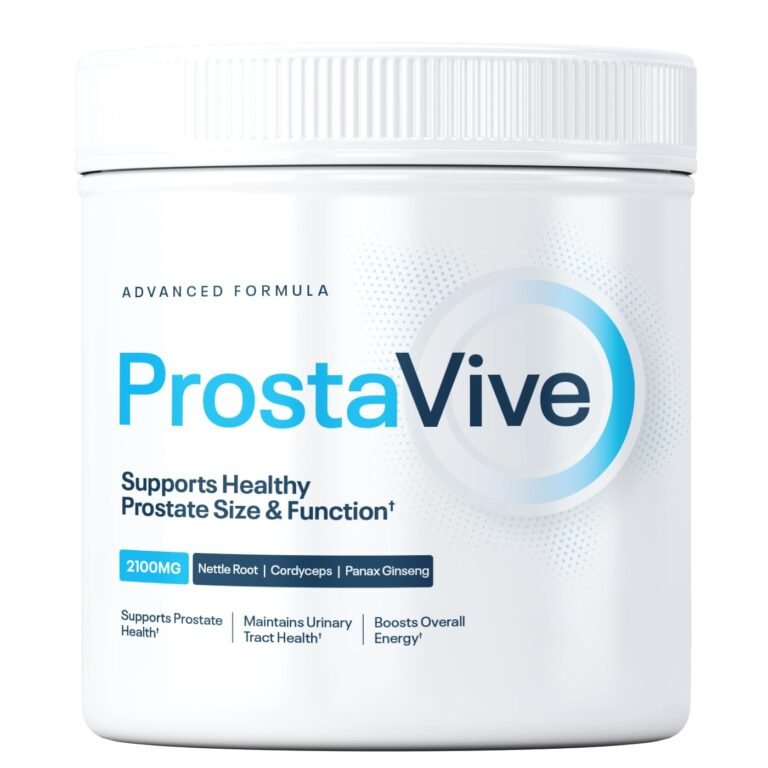
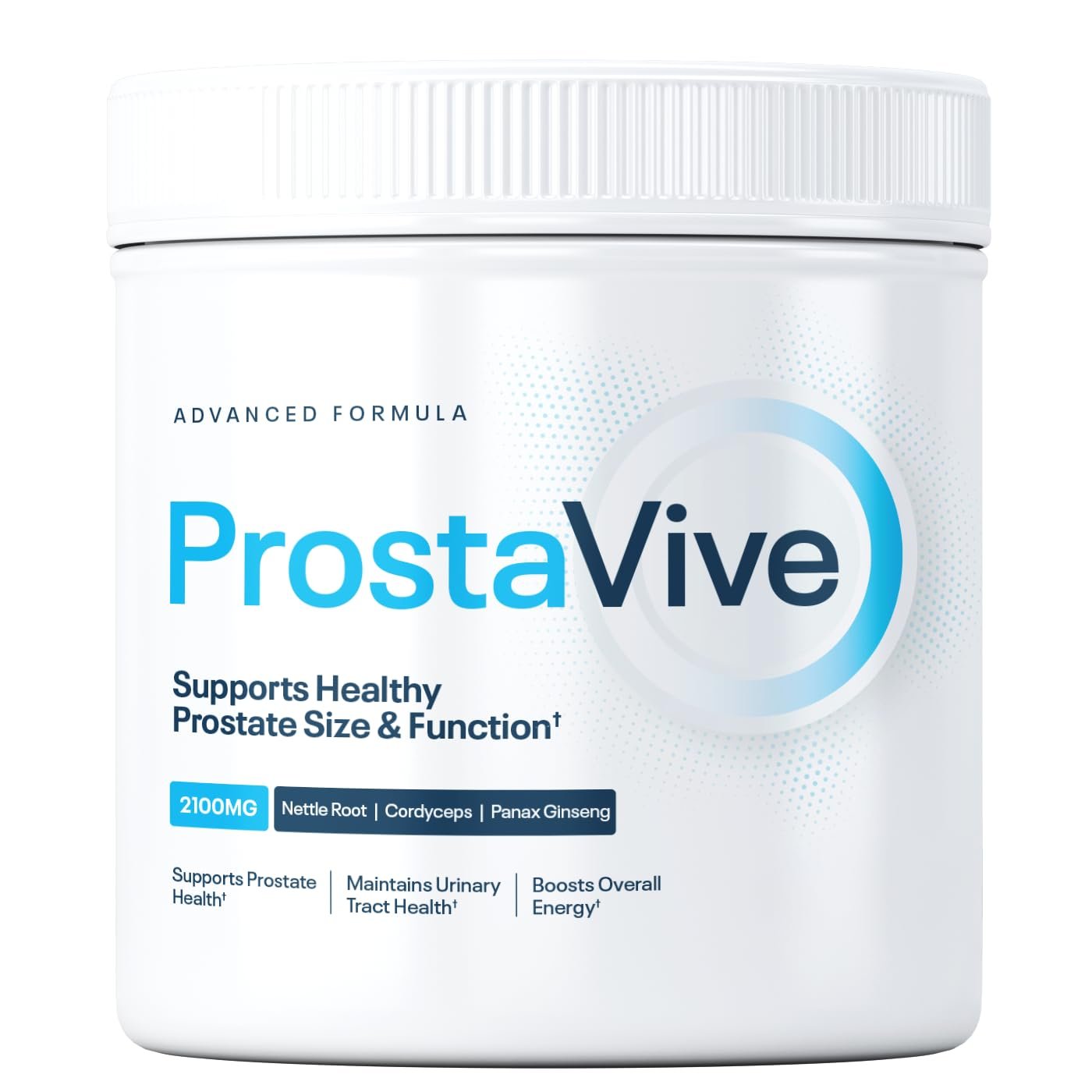
ProstaVive is a flavoured drink powder, not a capsule or softgel. One scoop weighs approximately 4.93 grams, is mixed into water or another beverage once daily, and a container provides 30 servings. The vendor markets it for prostate health, urinary flow, sleep, and sex drive, with a central claimed mechanism of supporting healthy blood flow and nitric oxide levels in and around the prostate gland.
A persistent problem for anyone trying to verify the product is naming and formulation inconsistency. Third-party promotional pages have described entirely different formulas under the same name. Some list saw palmetto, beta-sitosterol, and pygeum among the key ingredients, while the official label reviewed by independent analysts does not list any of those three. One promotional page even describes the product as a capsule. The independent review that assessed the label explicitly used the label image as its working source and stated it did not evaluate saw palmetto or pygeum because they did not appear on the label it reviewed. This means a buyer may receive a product that does not match the marketing they responded to.
📋 Ingredient Breakdown: What the Label Discloses and What It Hides
Per scoop, the label lists the following amounts:
| Ingredient | Amount | Note |
|---|---|---|
| Vitamin D3 | 50 mcg (333% DV) | |
| Vitamin B6 | 10 mg (588% DV) | |
| Magnesium (citrate) | 50 mg (12% DV) | |
| Zinc (citrate) | 12 mg (109% DV) | |
| Sodium (sea salt) | 70 mg (3% DV) | |
| Fenugreek seed powder | 500 mg | |
| Artichoke extract | 300 mg | Standardized to 5% cynarin |
| Ashwagandha root extract | 250 mg | 1.5% withanolides; brand not named |
| Cordyceps powder | 250 mg | Species not named |
| Maca root extract | 250 mg | Extract ratio not stated |
| Stinging nettle root extract | 200 mg | Extract ratio not stated |
| Tongkat ali root extract (100:1) | 100 mg | |
| Panax ginseng root extract | 50 mg | |
| Boron citrate | 5 mg | |
| Proprietary blend | 200 mg | Contains beet root, alfalfa, black currant, broccoli, pomegranate, and raspberry powders — no individual amounts disclosed |
The 200 mg proprietary blend is a transparency gap. Six ingredients are grouped together with no way to determine how much of each is present. An independent review noted that the label discloses amounts for 14 of 20 listed ingredients, but the remaining six are hidden inside the blend. Without disclosed dosages, there is no way to verify whether the formula uses clinical-strength amounts of any ingredient.
The vitamin and mineral load also deserves attention. One scoop provides 588% of the Daily Value for vitamin B6 and 333% for vitamin D3. These are below commonly cited adult upper limits, but if a user takes other supplements, the totals add up, and very high B6 intake over time can cause nerve damage.

🔬 The Evidence Gap: Ingredient Research vs. Finished-Product Proof
The central evidentiary problem is straightforward: no study of the finished ProstaVive formula was identified in independent reviews of the label and literature. The company references a 2023 research discussion associated with Fukushima Medical University examining circulation patterns in the prostate region, but that research did not evaluate ProstaVive or any dietary supplement and does not establish clinical outcomes. A video review of the product’s own sales presentation notes that the presenter explicitly states the complete formula “hasn’t been through clinical trials”.
Ingredient-level evidence is mixed and frequently indirect:
- Stinging nettle root has limited research in men with enlarged prostates, but the label does not name the extract ratio, so it is impossible to tell whether the 200 mg used matches the specific extracts studied.
- Tongkat ali has moderate evidence for raising total testosterone, but no identified evidence for prostate outcomes — testosterone is not a prostate endpoint.
- Fenugreek has limited evidence for lowering blood sugar in type 2 diabetes, and none identified for prostate health.
- Ashwagandha, maca, ginseng, cordyceps, artichoke, and boron were not evaluated for efficacy in the independent label review; the label-level amounts were summarised without a prostate-specific evidence base.
- Saw palmetto, which appears in some marketing but not on the reviewed label, has mixed clinical evidence — large trials have shown little to no benefit over placebo, even at triple doses.
- Beta-sitosterol and pygeum, also absent from the reviewed label, have more consistent but modest support for urinary symptoms.
The honest position is that ProstaVive contains some ingredients with partial, ingredient-level plausibility, but no product-specific proof of the kind a prescription BPH treatment would require.
⚠️ Safety: The Ashwagandha Liver Caution and Drug Interactions
The most significant safety flag on the ProstaVive label is ashwagandha. The National Center for Complementary and Integrative Health notes that rare cases of liver injury have been linked to ashwagandha supplements, and the National Institutes of Health’s LiverTox database rates it a likely cause of clinically apparent liver injury, advising avoidance in people with cirrhosis or advanced chronic liver disease. The practical instruction is to stop taking it and consult a clinician if jaundice, dark urine, or unusual abdominal pain appears.
Several other ingredients warrant a conversation with a pharmacist or doctor before use:
- Fenugreek at large doses may cause a harmful drop in blood sugar and may slow blood clotting, which matters for people on diabetes drugs or blood thinners.
- Tongkat ali was the subject of a 2021 European Food Safety Authority opinion that raised a potential for DNA damage and concluded safety under any condition of use was not established.
- Ginseng, nettle, and beet root may interact with blood pressure, diabetes, or prostate medications.
Reported side effects from user accounts and reviews include digestive discomfort, headaches, dizziness, hormonal shifts, allergic reactions, and interactions with blood thinners or BPH medications. Individuals with low blood pressure, hormone-sensitive conditions, or those on medication should consult a healthcare provider before use.
ProstaVive is not recommended without medical guidance for people with liver disease or those on the medications listed above. Urinary symptoms can have causes a supplement should not mask, and clinical evaluation should come first — especially with blood in urine, pain, or sudden changes.
💬 What Users Actually Report: A Genuinely Mixed Picture
The user-reported picture is split, and the split is instructive.
On Trustpilot, ProstaVive holds a 4.3/5 “Excellent” rating on one profile, with long-term reviewers describing stronger urinary streams, fewer nighttime bathroom trips, and responsive customer support over periods ranging from five months to “a couple of years”. A 73-year-old reviewer reported that after a few weeks, the urinary frequency and urgency he had begun noticing “were not really noticing anymore”. A 71-year-old described getting up once a night at most after daily use.
However, a different Trustpilot profile for the “Official Website (USA, CA)” carries an “Average” rating of 2.9/5, with complaints that the powder “tastes awful, very difficult to dissolve and is very expensive”. One reviewer who finished a three-month supply over five months stated the mixture had “no effect at all”. Another who used it for six months said it “has not helped at all” and called it “another snake oil product”. A separate profile shows 3.5/5, still average rather than excellent. One five-month user was uncertain whether it had made any difference, saying the urine flow “maybe” improved a little but “wasn’t that bad to begin with” and describing communication as “decent but slow”.
A summary of consumer reports captures the pattern directly: some users report positive results including improved urinary flow and reduced nighttime urination, while others “expressed disappointment, claiming that the supplement did not provide the expected benefits or that the results were not significant enough to justify continued use”. This is consistent with a product that may help some people modestly while failing to meet the expectations set by its marketing — not proof of universal effectiveness, nor proof of universal failure.
🚩 Scam and Fraud Allegations: Domain-Level Red Flags and Seller Identity Claims
The security-scanner findings are the most concrete external warnings attached to the ProstaVive brand.
ScamAdviser assigned prosta-vive-en.us a trust score of 1 out of 100 and concluded there is a “strong likelihood the website is a scam,” citing a hidden WHOIS identity, a low Tranco traffic ranking, a registrar with a high percentage of spam and fraud sites, the sale of product categories often misused by scammers, and a very young domain age. Gridinsoft classified the same domain as a “Suspicious Shop” with a trust score of 5/100, noting one blacklist detection and no established public review history. Other ProstaVive-related domains have also received low trust scores, including one at 19/100.
A separate fraud-reporting forum post makes a far more serious allegation. It claims that ProstaVive is distributed by Claro Nutrition, which falsely claims to operate from a Wilmington, Delaware address that is shared with an India-based company, NJ Health Foods. The post further alleges that the sellers also operate as Claro Media, falsely claiming a virtual office in Toronto, and that products ship from a fulfilment company tied to the previously reported “Ikaria Lean Belly Juice” scam. These are allegations from a single forum post, not a court finding, and should be treated as such — but they are specific, checkable claims about corporate identity rather than vague complaints about results.
It is important to distinguish between these warnings. A low trust score on one domain does not automatically mean every seller of the product is fraudulent; domain-level flags can reflect poor transparency rather than proven theft. But the combination of multiple flagged domains, a hidden-identity pattern, and specific seller-allegation reports is a pattern a careful buyer should not ignore. The independent label review also found no certificate of analysis or third-party certification (NSF, USP, or Informed Sport) for ProstaVive, and recommends asking the maker for a certificate of analysis directly.
💵 Pricing, Refund Terms, and the Sales Funnel
ProstaVive is sold in three bundles directly from the vendor page: one bottle at $79** for a 30-day supply plus shipping; **three bottles at $59 each for a 90-day supply with two free bonus guides; and six bottles at $39 each for a 180-day supply with the same bonuses. The vendor advertises a 180-day money-back guarantee. The 90 and 180 figures alongside the bundles count days of supply, not return days, and should not be read as a second return window.
Some sources describe a shorter 60-day refund window rather than 180 days. This inconsistency itself is worth clarifying with the seller before ordering. The refund window typically starts from the date of purchase, not delivery, so if shipping takes time, the effective evaluation period is shorter than it appears. The refund policy reportedly may only accept sealed bottles and may deduct a restocking fee plus return shipping in some versions.
A buyer should also note that the product is sold through affiliate-driven promotional content. The video review that rates the product 8.4/10 discloses that its first link is a paid affiliate link, and the independent label review also discloses an affiliate relationship. This does not make the positive coverage false, but it means neutral, non-incentivised information is scarcer than it first appears.
🧭 A Realistic Assessment and Practical Next Steps
ProstaVive is best understood as a plausibly formulated but unproven prostate-support powder sold through a marketing ecosystem that contains genuine red flags. Its ingredient list includes nettle root and tongkat ali, which have some research behind them, but the finished formula has not been clinically tested, a 200 mg proprietary blend hides six ingredients entirely, and the ashwagandha content carries a documented liver-safety caution. User reports range from meaningful relief to disappointment and complaints about taste and cost. Multiple sales domains have been flagged by independent security scanners, and a fraud-reporting forum has made specific allegations about the sellers’ corporate identity and false addresses.
For anyone considering it, several steps reduce the risk:
- See a clinician first if you have active prostate symptoms. Urinary changes can have causes a supplement should not mask, and BPH has evidence-based prescription and procedural treatments that a powder does not replace.
- Check the label you actually receive against the panel reviewed here, because promotional pages have described different formulas. Ask specifically whether the product contains saw palmetto, beta-sitosterol, or pygeum, which appear in some marketing but not on the reviewed label.
- Ask the seller for a certificate of analysis and confirm third-party testing, since none was identified in the independent review.
- Use a protected payment method such as a credit card, and read the refund terms carefully before ordering — confirm whether the window is 60 or 180 days, whether it starts from purchase or delivery, and whether opened bottles are eligible.
- If you have liver disease or take diabetes drugs, blood thinners, blood-pressure medication, or prostate prescriptions, treat the ashwagandha, fenugreek, tongkat ali, and ginseng content as a reason to consult a pharmacist before starting.
The most defensible conclusion is that ProstaVive is not a proven scam in the sense of a product that does nothing, but it is also not a proven treatment. It is a supplement with partial ingredient-level plausibility, a transparency gap in its proprietary blend, a real safety caution in one of its headline ingredients, and a sales footprint that independent scanners and fraud reporters have repeatedly flagged. The burden of proof should sit with the seller, not the buyer — and on the available public evidence, that burden has not yet been met.